SHELLING ADVENTURES
Seek Shells, Find Memories
From Common Finds to Rare 10,000 Island Treasures
Explore secluded islands, uncover beautiful shells, and experience the natural wonders of Southwest Florida with expert guides by your side
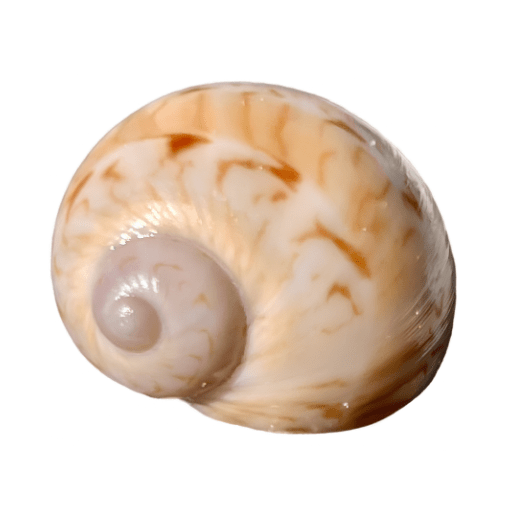
GAUDY NAUTICA
Naticarius canrena
Best Season:
Year-round
Where to Find:
Shallow sand flats, barrier island beaches
Description:
Distinctive and eye-catching moon snails featuring striking patterns of brownish-purple bands and zigzag eyespots. Glossy and smooth, they are a delightful surprise for collectors hunting along the tide line.
Uncommon
1–2 in
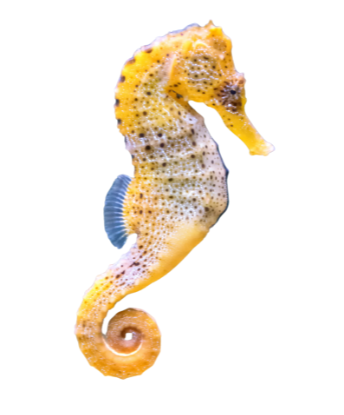
SEAHORSE
Hippocampus
Best Season:
Year-round
Where to Find:
Seagrass beds, shallow bays
Description:
Delicate, upright swimmers of the grass flats. Finding a dried one washes up on the wrack line is a treat, but remember they are protected marine life when alive.
Uncommon
2–6 in
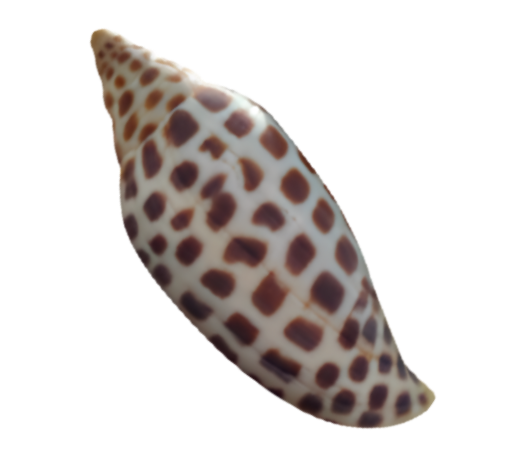
JUNONIA
Scaphella junonia
Best Season:
Post-storms / winter fronts
Where to Find:
Outer barrier islands, deep passes
Description:
A rare find, prized by Marco Island’s most avid shell collectors. Creamy white with rows of deep brown rectangular spots, discovering a whole Junonia is the ultimate Southwest Florida shelling milestone.
Rare
4–6 in
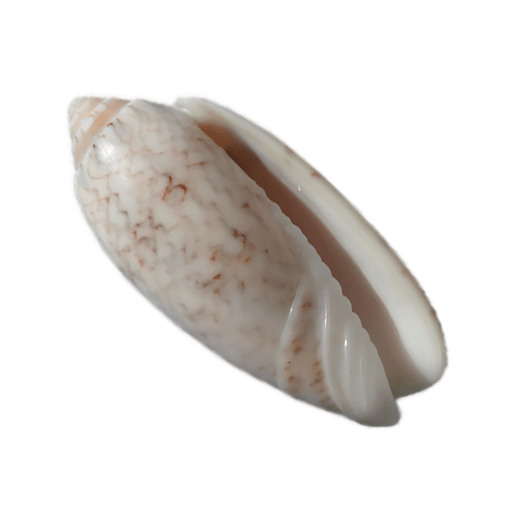
Lettered Olive
Oliva sayana
Best Season:
Year-round
Where to Find:
Wet sand at low tide, sandbars
Description:
Glossy, cylindrical shells marked with zig-zag patterns that look like ancient writing. They glide just beneath the wet sand, leaving small tracks for sharp-eyed shellers to follow.
Common
1.5–3 in
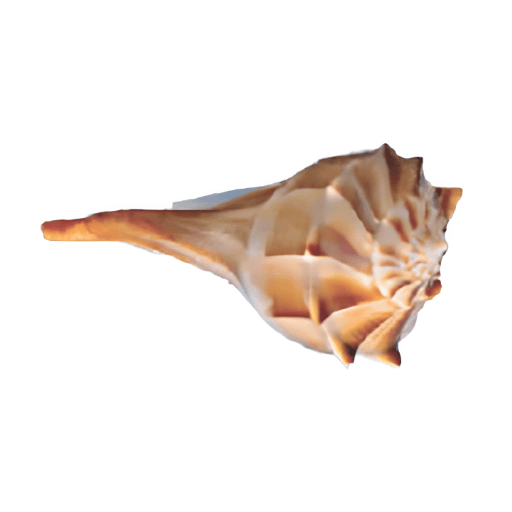
Lightning Whelk
Sinistrofulgur sinistrum
Best Season:
Year-round
Where to Find:
All shelling beaches
Description:
Texas state shell. Famous for opening to the LEFT — the only large whelk in the world that does. Big ones look like ancient artifacts. Kids’ favorite to take home.
Common
4–16 in
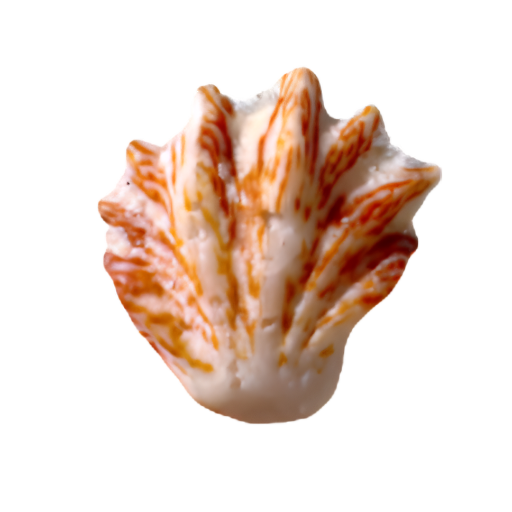
Atlantic Kitten Paw
Plicatula gibbosa
Best Season:
Year-round
Where to Find:
Shell piles, wrack lines & beach drift
Description:
Small, rugged bivalves with distinctive folds resembling a tiny cat’s paw. Often found among shell debris or attached to larger shells and other hard surfaces.
Common
0.5–1 in
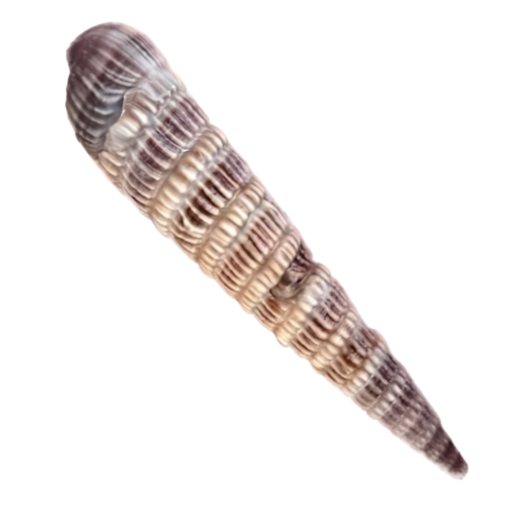
Common American Auger
Terebra dislocata
Best Season:
Year-round
Where to Find:
Sandy shorelines, tide lines & shell piles
Description:
A slender, high-spired shell with distinctive spiral grooves and rows of rectangular markings. Its long, tapered shape makes the Common American Auger easy to recognize among smaller shells and beach drift.
Common
1–3 in
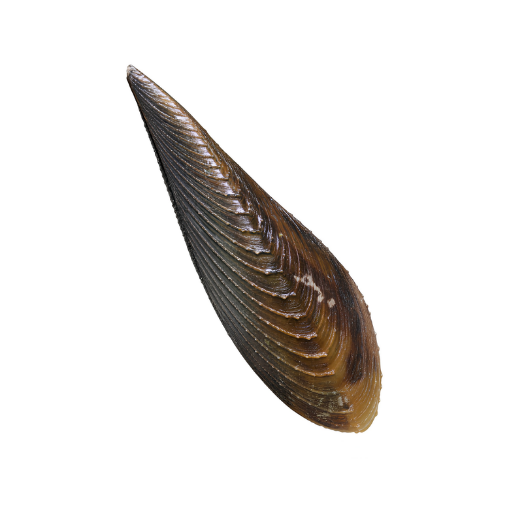
Penshell
Atrina rigida
Best Season:
Year-round
Where to Find:
Seagrass edges, sandy mud flats
Description:
Large, fragile, wedge-shaped dark shells that stand upright anchored in the sand by tiny threads. Whole ones require a gentle touch to extract intact.
Common
5–10 in
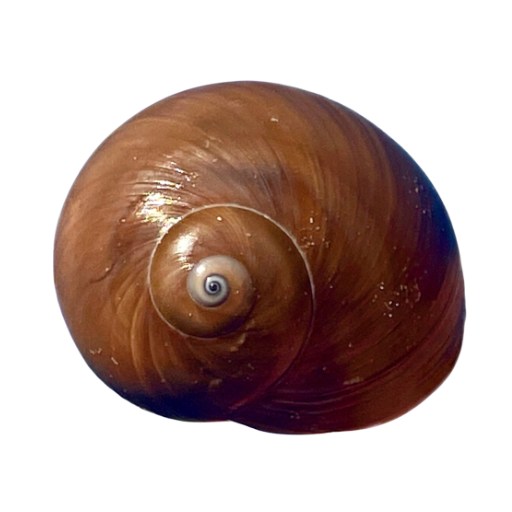
SHARK EYE MOON SNAIL
Neverita duplicata
Best Season:
Year-round
Where to Find:
Sandy beaches, tidal flats & shallow-water shell beds
Description:
Smooth, rounded shell with warm brown coloring and a distinctive dark spiral “eye” at the center. Shark Eyes are a favorite Southwest Florida find and are often discovered among shell piles and sandy beach drift.
And make sure the identification at the top reads:
Medium
3–5 in
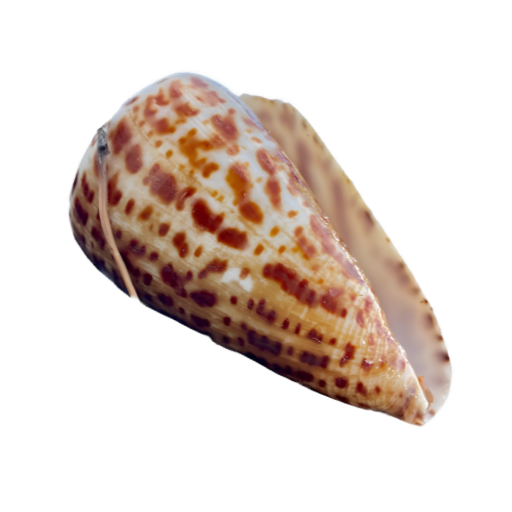
Alphabet Cone
Conus spurius atlanticus
Best Season:
Year-round
Where to Find:
Shallow water sand flats
Description:
Marked with neat rows of square dashes resembling ancient type. Beautiful and geometric, though live cones must always be admired from a distance due to their venomous dart.
Uncommon
1.5–3 in
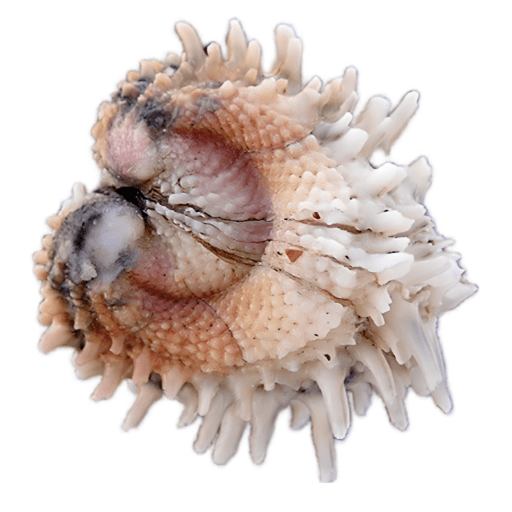
Florida Spiny Jewelbox
Arcinella cornuta
Best Season:
Year-round
Where to Find:
Shell piles, offshore bars
Description:
Covered in delicate, curved spines that make it look like a tiny crown. Sturdy and ornate, they are a favorite micro-shell treasure.
Uncommon
1–2 in
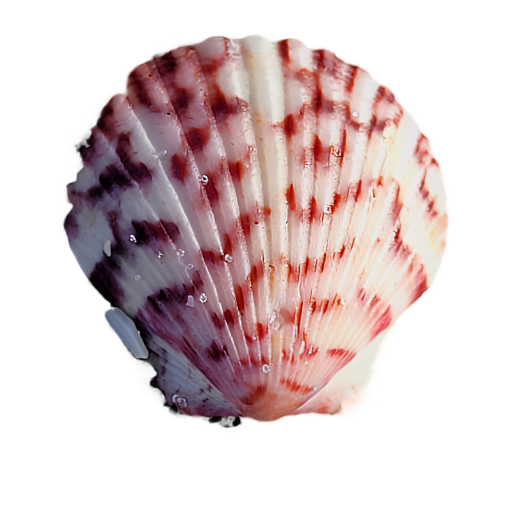
Atlantic Calico Scallop
Argopecten gibbus
Best Season:
Year-round
Where to Find:
Everywhere
Description:
The confetti of Florida shelling. Tiny, vivid, every color in the rainbow. Great for crafts. Kids fill mesh bags with hundreds in a single beach stop.
Common
1–2 in
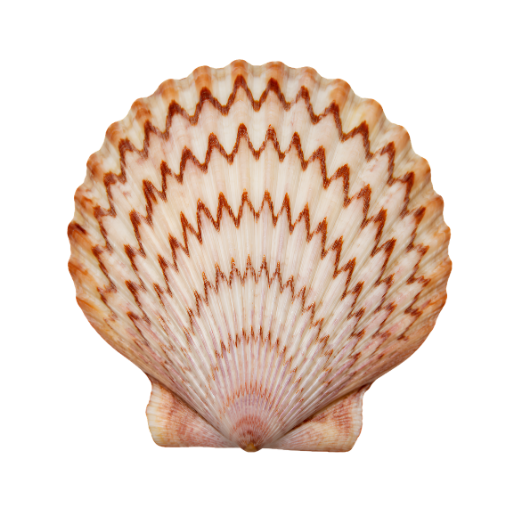
Zigzag Scallop
Euvola ziczac
Best Season:
Post-storms
Where to Find:
Passes, deeper wrack lines
Description:
Flatter and smoother than other local scallops, featuring distinct zig-zag reddish-brown patterns over a pale background.
Uncommon
2–3 in
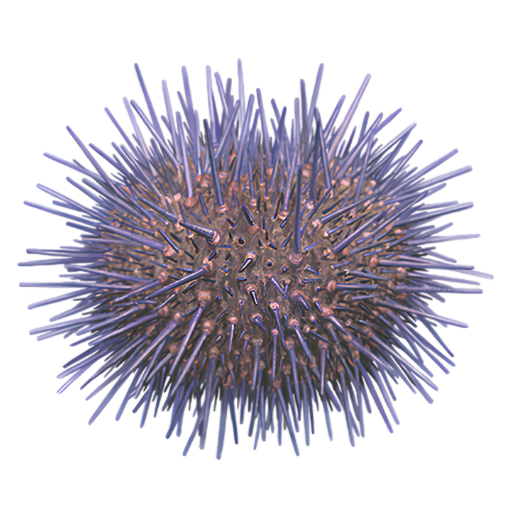
SHORT-SPINED SEA URCHIN
Lytechinus variegatu
Best Season:
Year-round
Where to Find:
Shallow grass flats, sandy bottoms & seagrass beds
Description:
A rounded sea urchin with short, closely packed spines that may range from greenish to purple or brown. Empty tests reveal a delicate five-part, star-like pattern. Live urchins should be left undisturbed.
Common
1–2 in
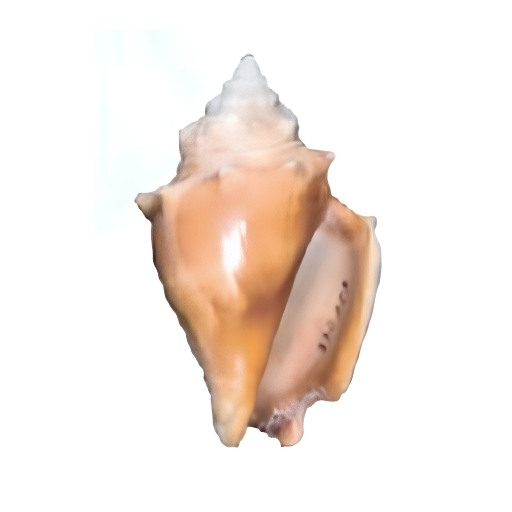
Florida Fighting Conch
Strombus alatus
Best Season:
Year-round
Where to Find:
Sandy shallows, tidal flats & sandbars
Description:
Named for its strong, claw-like foot, which helps it move across the sand. Florida Fighting Conchs have sturdy shells with warm brown to orange coloring and a distinctive orange-pink interior. Enjoy live conchs where you find them and collect empty shells only.
Common
3-4 in
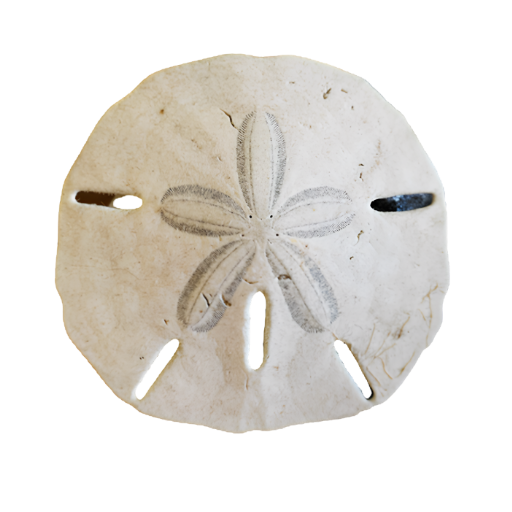
Sand Dollar
Mellita quinquiesperforata
Best Season:
Year-round
Where to Find:
Sandbars, low tide
Description:
A favorite find for shellers of all ages! Sand dollars are living animals when alive and should always be returned gently to the water. A live sand dollar is typically darker in color and covered with tiny, moving spines that can give it a fuzzy appearance. If it’s completely white, has no spines, and is no longer living, it may be collected where regulations allow.
Sand dollars are very fragile once dry. To help protect your beach treasure, pick up Sand Dollar Hardener at Shore Goods Coastal Mercantile on Marco Island.
Common
2–4 in
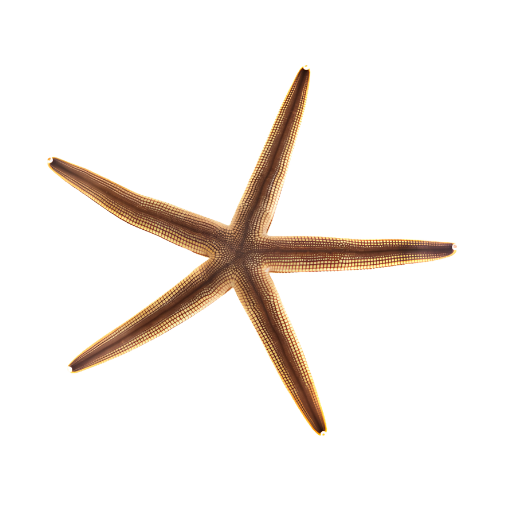
Lined Sea Star
Luidia clathrata
Best Season:
Year-round
Where to Find:
Sandy bottoms, shallow flats & passes
Description:
A slender-armed sea star with distinctive dark lines running along each arm. Often found on sandy bottoms where it moves quickly beneath or across the surface. Live sea stars should be left in the water and handled as little as possible.
Common
3–6 in
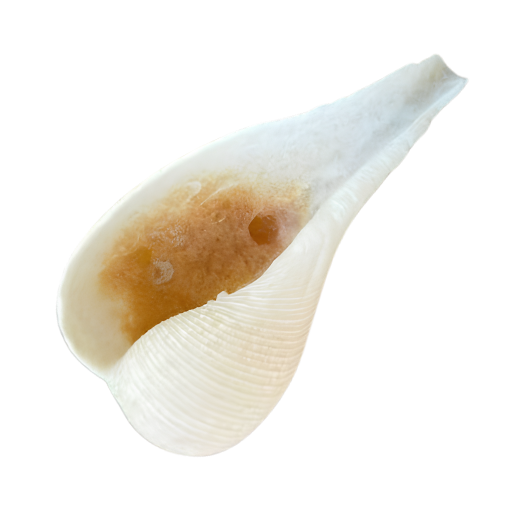
Atlantic Fig Snail
ficus papyratia
Best Season:
Year-round
Where to Find:
Pass channels, lower tide lines
Description:
Thin, lightweight, and shaped just like a fresh fig with a wide opening and delicate cross-hatching. Because of their paper-thin walls, finding an intact one is a special reward.
Uncommon
3–4 in
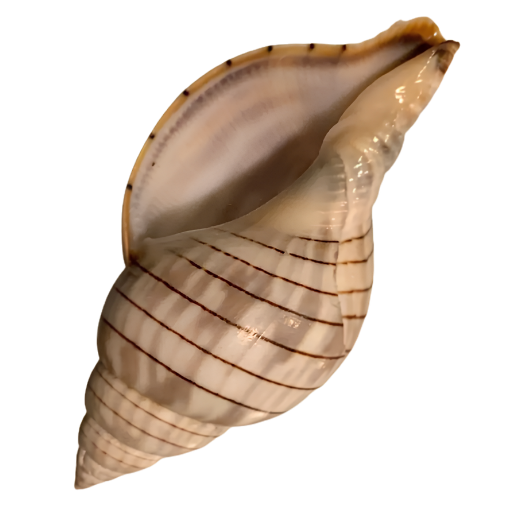
Banded Tulip
Cinctura hunteria
Best Season:
Year-round
Where to Find:
All shelling beaches
Description:
Smooth, elegant shells with brown spiral bands. The interiors are creamy with a touch of pink — and the patterns are like fingerprints, no two alike.
Common
2–4 in
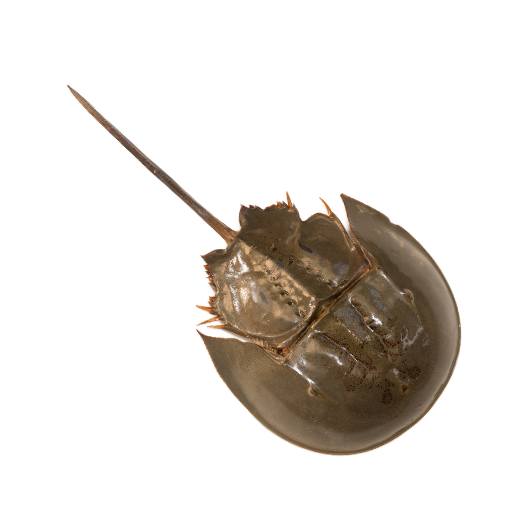
Horseshoe Crab
Limulus polyphemus
Best Season:
Year-round
Where to Find:
Shallow mud flats, sandy shores
Description:
Ancient living fossils of the estuary. Often seen cruising shallow waters or leaving empty molted shells along the mangrove line.
Common
6–18 in
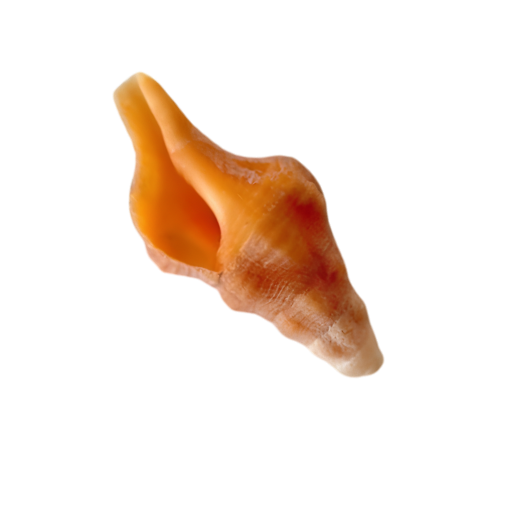
Horse Conch
Triplofusus giganteus
Best Season:
Year-round
Where to Find:
Tidal flats, shallow bars
Description:
Bright salmon-orange juveniles before they grow into giant adults. They add a vibrant flash of color to your mesh bag.
Medium
2-5 in
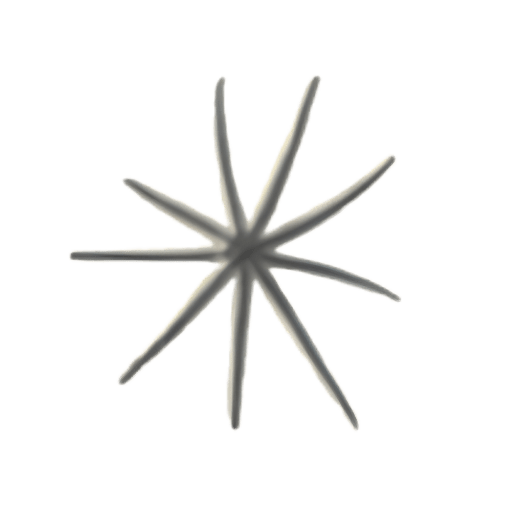
nine-armed sea star
Luidia senegalensis
Best Season:
Year-round
Where to Find:
Sandy or muddy bottoms & shallow flats
Description:
A distinctive sea star with nine long, slender arms and a small central disc. Often grayish, greenish-gray, or brown, it may be found moving across or partially buried in sandy bottoms. Live sea stars should be left in the water and handled as little as possible.
They east small worms, clams, and bottom debris.
Medium
12-16 in
Ready When You Are
Let’s Plan Your Perfect Shelling Adventure
Book your tour today or contact our team to find the experience that’s right for you.