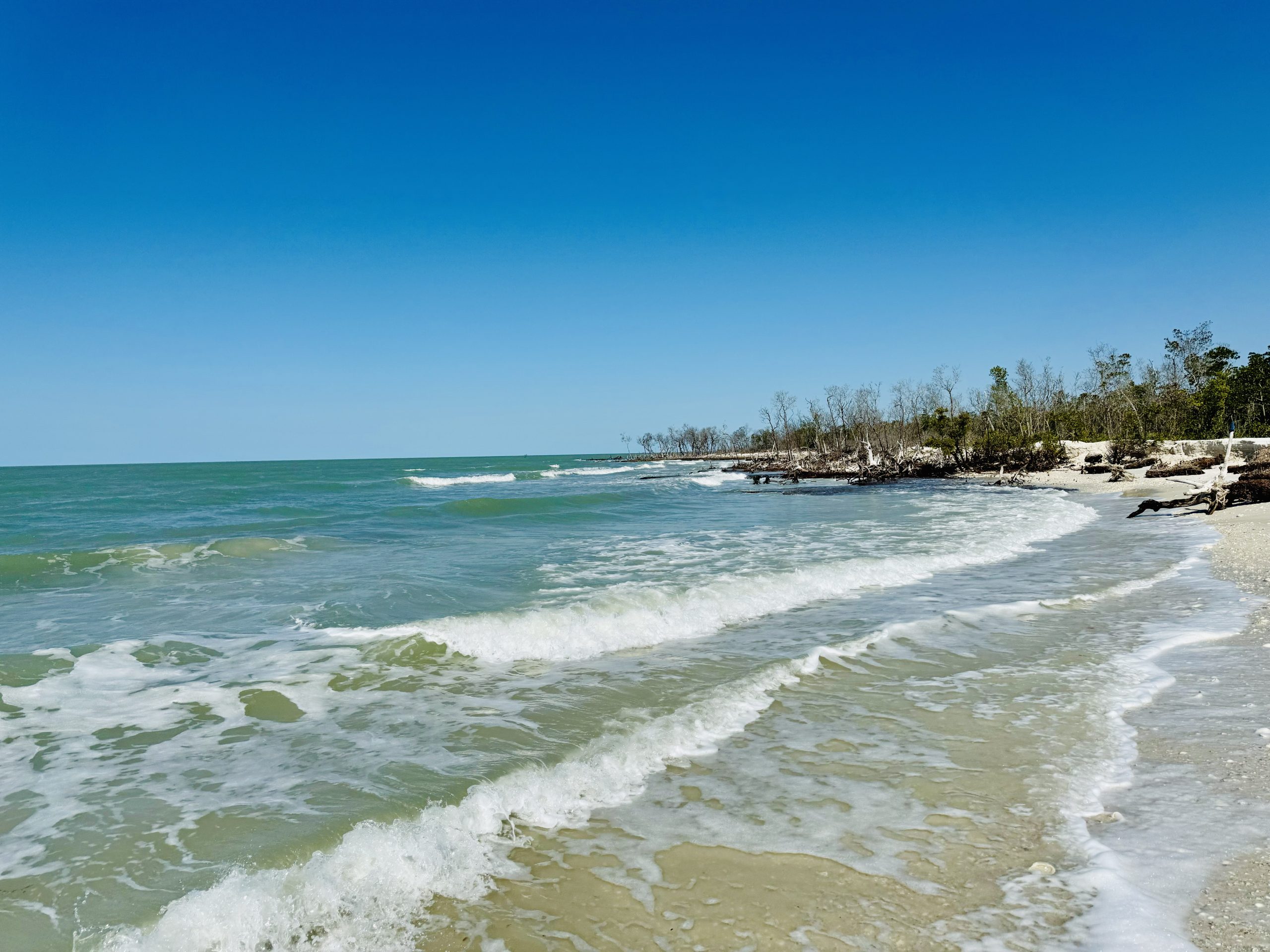
Embark on a Shelling Adventure
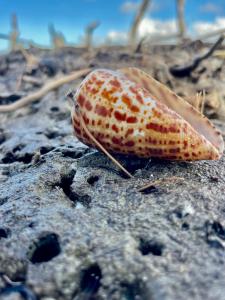
Greetings, fellow shell enthusiasts! I’m your local shelling expert, a Florida Master Naturalist and Shell Guide for Treasure Seekers Shell Tours. Today, we’re setting sail for the captivating Morgan Island, a haven of pristine beaches and a treasure trove of exquisite seashells nestled within the Ten Thousand Islands National Wildlife Refuge. A Serene Escape with a Storied Past Morgan Island, a tranquil oasis within the Ten Thousand Islands National Wildlife Refuge, offers a unique blend of natural beauty and historical significance. This secluded island, accessible only by boat, has captivated visitors with its pristine beaches, diverse wildlife, and intriguing past. A Glimpse into the Past While the exact origins of human habitation on Morgan Island remain somewhat shrouded in mystery, archaeological evidence suggests that Native American tribes may have inhabited the island centuries ago. These indigenous peoples likely utilized the island’s abundant resources, including seafood and plant life. In more recent history, the island is named after Captain John Morgan, a pioneer settler who established a fishing camp here in the early 1900s. The remnants of his settlement, including old buildings and artifacts, can still be found on the island, offering a glimpse into the region’s past. A Protected Paradise Today, Morgan Island is part of the Ten Thousand Islands National Wildlife Refuge, managed by the U.S. Fish and Wildlife Service. This vast network of islands and waterways provides critical habitat for a diverse array of wildlife, including endangered species like the Florida panther and the manatee. The refuge is dedicated to protecting the delicate ecosystem and ensuring the island’s natural beauty remains intact. Shelling Paradise While Morgan Island’s history is fascinating, it’s the island’s stunning natural beauty and abundant marine life that truly captivate visitors. The pristine beaches are a shell collector’s dream, offering a treasure trove of shells, including: A Serene Escape with Endless Shelling Opportunities Morgan Island beckons with its untouched beauty. As you explore its white-sand shores, keep your eyes peeled for a dazzling array of seashells, each a testament to the vibrant marine life teeming beneath the waves. Among these treasures, three magnificent finds stand out:1. The Alphabet Cone (Conus sp.)
-
- A Stealthy Predator: The Alphabet Cone is a master of disguise, blending seamlessly into its surroundings. Its intricate patterns and vibrant colors mimic the ocean floor, allowing it to ambush unsuspecting prey.
-
- Habitat and Diet: These carnivorous snails typically dwell in shallow, sandy or muddy areas. They inject a potent venom into their prey, which can be small fish, worms, or other mollusks.
-
- Reproduction: Reproduction involves external fertilization. Females lay egg capsules that hatch into planktonic larvae, which drift with the currents until they settle on the seabed.
-
- Where to Find Them: Look for Alphabet Cones washed ashore along the high tide line or partially buried in the sand. They often congregate in specific areas, particularly after storms.
-
- Identification Tips:
-
- Pattern and Color: The intricate patterns and vibrant colors are unique to each species.
-
- Conical Shape: The distinctive conical shape is characteristic of cone shells.
-
- Identification Tips:
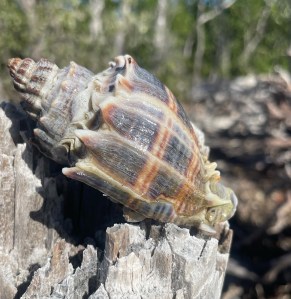
2. The King’s Crown (Melongena corona)
-
- A Regal Marine Dweller: The King’s Crown, with its distinctive crown-like spines, is a majestic sight. Its powerful foot allows it to burrow through the sand in search of prey.
-
- Habitat and Diet: King’s Crowns are often found in shallow, sandy or muddy areas, particularly near oyster beds. They are carnivorous, feeding on clams, oysters, and other mollusks.
-
- Reproduction: Reproduction involves external fertilization. Females lay egg capsules that hatch into planktonic larvae, which drift with the currents until they settle on the seabed.
-
- Where to Find Them: Look for King’s Crowns washed ashore along the high tide line or partially buried in the sand, especially near oyster beds.
-
- Identification Tips:
-
- Crown-like Spines: The distinctive crown-like spines are a key identifying feature.
-
- Robust Shell: The thick, heavy shell is characteristic of this species.
-
- Identification Tips:
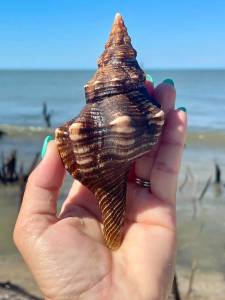
3. The Horse Conch (Triplofusus giganteus)
-
- A Gentle Giant of the Sea: The Horse Conch is one of the largest marine snails in the world. Its massive shell and powerful foot make it a formidable creature.
-
- Habitat and Diet: Horse Conchs are often found in shallow, sandy or muddy areas. They are carnivorous, feeding on clams, oysters, and other mollusks.
-
- Reproduction: Reproduction involves external fertilization. Females lay egg capsules that hatch into planktonic larvae, which drift with the currents until they settle on the seabed.
-
- Where to Find Them: Look for Horse Conchs washed ashore along the high tide line or partially buried in the sand. They are often found in deeper water, so be cautious when searching for them.
-
- Identification Tips:
-
- Massive Size: The large size is a clear indicator.
-
- Spiral Shape: The distinctive spiral shape sets it apart from other shells.
-
- Identification Tips:
The Treasure Seekers Experience
Whether you’re new to shelling or a seasoned collector, joining a Treasure Seekers Shell Tour transforms shelling into a full Gulf Coast adventure. Our Florida Master Naturalist guides will:-
- Take you beyond crowded beaches to remote islands in the Ten Thousand Islands.
-
- Teach you to identify shells and understand their ecological role.
-
- Ensure your adventure is eco-friendly, family-friendly, and unforgettable.
Ready to Discover Your Own Treasure?
Book your Marco Island shelling tour with Treasure Seekers today and explore the hidden shelling spots of Southwest Florida. From eco-friendly shelling tours to private shelling adventures, we’ll help you create memories that last a lifetime. 🌊 Book Your Shelling Adventure Here » Ready to become a shelling legend? Watch our guides uncover treasures in the Ten Thousand Islands on our YouTube channel, then book the adventure that will change the way you see the shore forever. Questions? Check Our FAQ’s to Learn About What to Expect🌊 PRO-LEVEL RESOURCES FOR YOUR ADVENTURE
🛍️ Local Gear & Shell Displays: Shore Goods – Coastal Mercantile — Visit the shop at Marco Walk Plaza for sturdy beachcombing gear, shadow boxes, craft kits, and local artisan displays to showcase your treasures.
🎥 See the Action: Treasure Seekers YouTube Channel — See real-time conditions on remote sandbars before you step on board.
🌊 Local Tide Charts: NOAA Tides & Currents (Marco Island / Caxambas Pass) — Check real-time low tide predictions before planning your trip.
🌬 Wind & Weather Forecasts: NOAA Marine Forecast — Monitor wind direction to predict “blow-out” low tides.
🐚 Expert Identification: Bailey-Matthews National Shell Museum — The gold standard for identifying native Southwest Florida species.
🌿 Explore the Refuge: Ten Thousand Islands National Wildlife Refuge — Learn about the protected marine sanctuary we explore.
⚖️ Know the Rules: FWC Shelling Regulations — Review state guidelines for legal and responsible shelling.
🎒 What to Pack: Treasure Seekers Packing List — Gear up with essential water shoes, mesh bags, and sun protection.
🚤 Plan a Guided Trip: Ten Thousand Islands Shelling Tour — Book a guided excursion to remote barrier islands with expert naturalist captains.
🐚 Regional Tides & Shelling Guides: ShellingTours.com — Your go-to hub for Southwest Florida tide strategies, shelling conditions, and regional beachcombing advice.
💎 Rare Deep-Water Shell Identification: JunoniaShells.org — Learn the deep-water habitat, weather patterns, and boat-access secrets to finding the rare Scaphella junonia.
🎒 Essential Gear & Shell Care: Shellentials.com — Discover recommended mesh bags, sand scoops, reef-safe sun protection, and proper shell cleaning techniques.
🚤 Marco Island Departure Portal: MarcoIslandShellTours.com — Explore top-rated local boat charters departing straight from Marco Island and Goodland.
