
As a Florida Master Naturalist and Local Shelling Expert with Treasure Seekers Shell Tours, I recently had the opportunity to expand my knowledge by attending the Florida Master Naturalist Coastal Shoreline Restoration course. This immersive experience provided me with valuable insights into the restoration of Southwest Florida’s delicate coastal ecosystems. Combining the lessons learned with my existing expertise, I am excited to share how this course has deepened my understanding of how to protect our shorelines, particularly within the Ten Thousand Islands National Wildlife Refuge.
The Florida Master Naturalist Coastal Shoreline Restoration course is designed to provide a comprehensive understanding of how natural coastal features can be restored and protected. Through a combination of classroom instruction and field experiences, I explored the science and techniques behind effective shoreline restoration. The focus on living shorelines, oyster reefs, mangroves, and salt marsh ecosystems was particularly relevant to my work, as these habitats are key to maintaining the ecological health of our region.
In a place as ecologically rich as Southwest Florida, safeguarding natural shorelines is crucial. The Ten Thousand Islands region, in particular, plays host to a diverse array of species that rely on healthy shorelines for food, shelter, and breeding grounds. Without active restoration efforts, human impacts such as development, pollution, and erosion threaten to degrade these precious habitats. My role as a shelling guide provides a unique opportunity to educate visitors not only about the beauty of our coastlines but also the need to protect them through sustainable practices and restoration efforts.
Understanding Coastal Shoreline Restoration
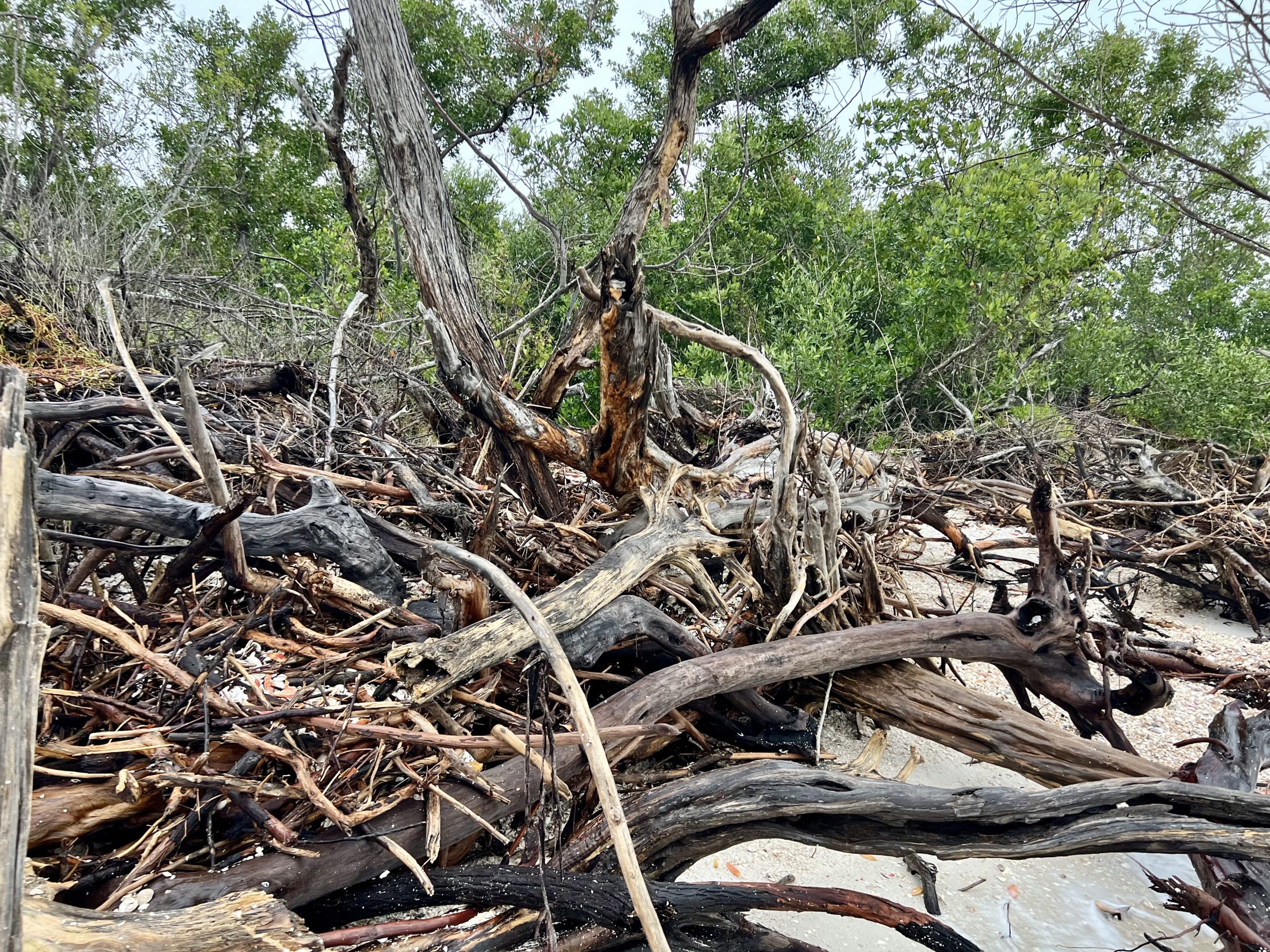
Coastal shoreline restoration is a critical process aimed at repairing the damage caused by erosion, development, and habitat loss along our coasts. In Southwest Florida, areas like the Ten Thousand Islands face unique challenges due to the combined effects of natural events, such as hurricanes and storm surges, and human activities like boating and coastal development. The goal of restoration is to rebuild and stabilize these shorelines using natural elements, rather than relying on hard structures like seawalls. By reintroducing oyster reefs, mangroves, and salt marshes, we can enhance the natural defenses of these coastlines, promoting biodiversity and improving water quality. In the Ten Thousand Islands, which boasts one of the most ecologically diverse estuarine systems in Florida, restoring these habitats is essential for the health of its marine life and the species that depend on it, including shorebirds, fish, and even sea turtles. Restoration not only benefits the environment but also protects the region’s natural beauty, making it a sustainable destination for eco-tourism and shelling enthusiasts.
Living Shorelines: A Natural Alternative
Living shorelines offer a sustainable approach to coastal protection. Unlike traditional seawalls, these natural defenses use native plants and oyster reefs to absorb wave energy and prevent erosion. While seawalls are common around Marco Island, they can disrupt the natural flow of water and worsen erosion over time. In contrast, natural shorelines, like those found in the Ten Thousand Islands, provide a more resilient and eco-friendly solution.
Coastal Restoration in the Ten Thousand Islands: How You Can Get Involved
The Ten Thousand Islands near Marco Island are more than just some of the best shelling spots in Florida—they’re home to fragile ecosystems that protect our shorelines and support incredible biodiversity. From oyster reefs to mangroves and salt marshes, these habitats are essential for both the environment and the shelling experience we love.
As shellers, boaters, and nature enthusiasts, we can all play a role in restoring and protecting Florida’s coastlines. Here’s how to get involved.
Local Opportunities to Volunteer and Learn
Florida Master Naturalist Program (FMNP)
This program offers courses in environmental education and restoration. Graduates often participate in community projects that focus on restoring natural shorelines and protecting wildlife habitats. It’s a great option for anyone looking to deepen their knowledge of Southwest Florida ecosystems.
Conservancy of Southwest Florida
Based in Naples, the Conservancy engages the community in conservation efforts, including marine research, habitat restoration, and shoreline stabilization. Their volunteer programs are perfect for locals and visitors alike who want hands-on experience in protecting the region.
Rookery Bay National Estuarine Research Reserve
Located between Naples and Marco Island, Rookery Bay is a hub for research and restoration projects. Volunteers help with mangrove and oyster reef restoration, shoreline stabilization, and water quality monitoring—directly improving the coastal ecosystems that make shelling possible.
Florida Fish and Wildlife Conservation Commission (FWC)
FWC provides opportunities for habitat restoration and citizen science projects. Shellers and boaters can participate by helping collect data on species and habitats, contributing valuable insights to ongoing conservation.
Supporting Local Restoration Efforts
Even if you don’t have time to volunteer, you can still support coastal restoration by donating or spreading awareness.
- Guy Harvey Ocean Foundation – Funds vital research and restoration, including mangrove replanting and oyster reef projects in the Ten Thousand Islands.
- The Nature Conservancy – Florida – A leader in living shorelines and oyster reef restoration, working to protect Florida’s coasts from erosion and rising seas.
Key Ecosystems That Protect Marco Island and the Ten Thousand Islands
Oyster Reefs
Oyster reefs serve as natural breakwaters, protecting shorelines from erosion while improving water clarity. A single oyster can filter up to 50 gallons of water a day. These reefs are also vital nursery habitats for redfish, snapper, and blue crabs—species that make Southwest Florida such a rich fishing and shelling destination. Restoration efforts often use oyster bags and recycled shells to rebuild reefs.
Mangroves
Red mangroves (Rhizophora mangle) are iconic in the Ten Thousand Islands National Wildlife Refuge. Their dense root systems stabilize soil, buffer against storm surges, and provide habitat for countless species. Restoration projects focus on replanting mangroves lost to development or storm damage, ensuring that these ecosystems continue to protect both wildlife and shorelines.
Salt Marshes
Salt marshes absorb floodwaters, reduce storm surge impacts, and serve as powerful carbon sinks. Reintroducing native plants like smooth cordgrass (Spartina alterniflora) is key to restoration, helping to stabilize coastlines and provide rich feeding grounds for birds, fish, and invertebrates.
Eco-Friendly Shelling and Conservation Tips
If you’re planning a Marco Island shelling tour, you can help protect the coastlines while enjoying your adventure:
- Choose eco-friendly shelling tours that follow ethical practices (like our tours at Treasure Seekers).
- Leave live shells and creatures behind to keep ecosystems thriving.
- Practice eco-friendly boating by avoiding damage to seagrass beds and mangroves.
- Share what you’ve learned with others—education is one of the most powerful conservation tools.
Why This Matters for Shellers
By protecting oyster reefs, mangroves, and salt marshes, we’re not only safeguarding wildlife but also ensuring that Marco Island shelling tours remain world-class. Healthy ecosystems mean cleaner water, more abundant shells, and thriving marine life for generations to enjoy.
👉 In our next blog post, we’ll highlight the restoration techniques used here in Southwest Florida—like living shorelines—and how community involvement makes these projects succeed. We’ll also explore the environmental and economic benefits of protecting the Ten Thousand Islands.